

Hot Water Cylinder Installation and Replacement in London
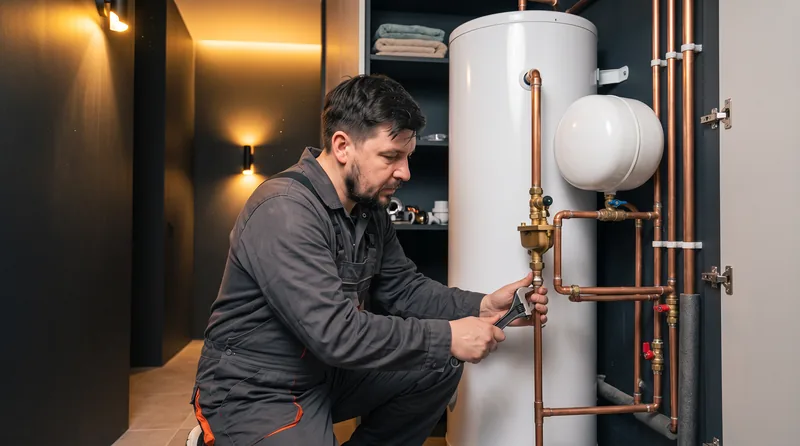
Unvented and vented hot water cylinders supplied and fitted by Plumbery engineers, with the old cylinder removed, G3 notification handled and an itemised written quote before work starts.



Hot water cylinder work we carry out
The right cylinder depends on the number of bathrooms, the mains water pressure and flow, and the space you have. We check all three at the survey, then size the cylinder so the hot water does not run out halfway through the second shower.
- Like-for-like unvented cylinder replacement
- Replacing an old vented cylinder and loft tanks with an unvented cylinder
- Megaflo and other mains-pressure cylinders
- Cylinders for heat pumps and solar
- Immersion heaters and thermostats
- Expansion vessels, valves and discharge pipework
- Annual unvented cylinder servicing
 Like-for-like unvented cylinder replacement
Your new cylinder, step by step
Unvented or vented?



Choosing a cylinder
Vented, unvented, thermal store or heat pump cylinder: which one suits your home?
A vented cylinder is fed by a cold water tank in the loft, so the hot water arrives at tap pressure set by the height of that tank. It is simple, cheap to run and forgiving, but showers often need a pump to feel strong. An unvented cylinder, sometimes called a Megaflo after one well-known brand, is fed straight from the mains, so hot water reaches taps and showers at mains pressure and the loft tank can usually be removed.
A thermal store works the opposite way round. The tank holds heated water that is not used directly: it passes through a heat exchanger to warm the mains water as you draw it off. Thermal stores suit homes with solid fuel, solar or several heat sources, but they are bulky and less common in London. A heat pump cylinder is an unvented cylinder with a much larger internal coil, because a heat pump delivers water at a lower temperature than a boiler and needs more surface area to transfer the heat.
For most London houses and flats with a gas boiler, the decision is between a like-for-like vented replacement and an unvented upgrade. Unvented is usually the better choice where there are two or more bathrooms, where you want a stronger shower without a pump, or where you are removing the loft tank to free up space. It does need good incoming mains pressure and flow, which we check at the survey before recommending anything.
Unvented and Megaflo
Unvented cylinder and Megaflo installation in London
Many of the cylinders we fit in London are unvented: a sealed cylinder fed straight from the mains, which gives mains-pressure hot water at every tap and shower and lets the cold water tank in the loft come out. Many people know them as a Megaflo, which is one well-known brand of unvented cylinder. We can fit a Megaflo or an unvented cylinder from another major manufacturer, chosen for your hot water use, your mains pressure and the space you have. Megaflo is a trade mark of its owner; Plumbery is an independent installer and is not affiliated with or approved by the manufacturer.
An unvented cylinder installation in London usually means draining down and removing the old copper cylinder and loft tank, fitting the new cylinder with its expansion vessel and safety valves, running the tundish and discharge pipe to a safe, visible termination point that meets Part G3, and connecting it to the boiler or heat pump with new controls. The work is notifiable under Building Regulations, so before it starts we confirm how it will be certified, and at handover you receive the commissioning record and the manufacturer's paperwork.
If you are replacing a boiler at the same time, see our boiler installation page: a system boiler with an unvented cylinder often suits homes with two or more bathrooms better than a combi. Each job is priced after a free survey, because the cylinder size, the pipe runs and the discharge route all change the work.
Sizing
How to size a hot water cylinder by bathrooms and occupants
Size is chosen by how much hot water you use at the busiest time of day, not by the size of the property. A rough starting point is about 35 litres of stored hot water per person per day, then adjusted for how many baths, power showers or rainfall heads run at the same time. A couple in a flat with one shower often needs far less storage than a family of five with a bath and two showers in use on a school-day morning.
Oversizing is a real cost. A cylinder that is too big takes longer to heat, loses more heat while it waits and takes up cupboard space you may not have. Undersizing means cold showers for the last person in the queue. Good sizing also looks at the boiler or heat source: a small boiler heating a large cylinder will have a slow recovery time, so the two have to be matched.
At the survey we count the bathrooms, ask how many people live in the home and when they wash, measure the cupboard or loft space, and check the floor and doorway for the cylinder you are considering. You then get a written recommendation with the reasons for the size. If you would like a ballpark before we visit, see our pricing page for how packages are built.
Warning signs
Signs your hot water cylinder is failing
Lukewarm or running-out hot water
A cylinder that no longer holds heat, or a coil coated in limescale, means hot water that runs out quickly even though the boiler is firing.
Damp, drips or staining
Weeping joints, a wet cupboard floor, a stained ceiling below or a puddle under the cylinder can point to a leaking seam or fittings that have reached the end of their life.
Banging, hissing or rumbling
Noise from the cylinder usually means scale on the heating surfaces or a faulty valve, and on an unvented unit it should never be ignored.
Discharge pipe dripping
Water coming out of the tundish or discharge pipe on an unvented cylinder suggests a failing valve or an expansion vessel that has lost its air charge.
Age and discoloured water
Copper cylinders that are 20 to 25 years old, or rusty or brown hot water, are good reasons to plan a replacement before it fails on a cold evening.
Safety devices
G3 regulations, expansion vessels and the valves on an unvented cylinder
Because an unvented cylinder is a sealed vessel full of heated mains water, Building Regulations requirement G3 says the stored water must never exceed 100°C and any discharge must be carried away safely. Approved Document G meets this with at least two independent safety devices on top of the normal thermostat: a non-self-resetting thermal cut-out on each heat source and a temperature relief valve (usually a combined temperature and pressure relief valve) that opens if the water overheats. An expansion vessel or internal air bubble takes up the extra volume as the water heats, and an expansion relief valve opens if the pressure climbs too high. Together they keep the temperature and pressure within safe limits.
Approved Document G says an unvented system should only be installed, commissioned or altered by a person competent in unvented hot water systems. Installing or replacing one is notifiable building work, so it must be self-certified by an installer registered with a competent person scheme or notified to Building Control before work starts, and you should receive a commissioning record and the manufacturer's documents. Keep these safe: they matter when you sell or let the property, and a manufacturer may ask for them if there is ever a warranty claim.
The safety valves discharge through a tundish, a small visible air gap in the pipework, into a discharge pipe. The pipe from the valve to the tundish is the D1 pipe, which must be no smaller than the valve outlet, with no more than 600 mm of pipe between the valve and a vertical tundish fitted in the same space and lower than the valve. The pipe after the tundish is the D2 pipe, which must normally be at least one pipe size larger than the valve outlet (larger still on long runs), drop vertically at least 300 mm before any bend, then fall continuously at no less than 1 in 200, be metal or another material shown to withstand the discharge temperature, and end somewhere safe and visible. Getting this route right is often what decides where an unvented cylinder can go in a London flat.
Before we recommend unvented
Mains pressure and flow-rate checks at the survey
- Static and working (dynamic) mains pressure measured at the stopcock or nearest outside tap
- Flow rate in litres per minute with other taps off, checked against the manufacturer's minimum
- Size and material of the incoming supply pipe, including any old lead or narrow-bore pipe
- Whether the supply is shared with neighbours in a converted house or block
- Time-of-day variation, since pressure can drop at peak times in busy parts of London
- Where the discharge pipe can run, how far, and with what fall
- Position and strength of the floor or loft joists under the weight of a full cylinder
- Whether a mains upgrade, a booster or a vented cylinder would suit the property better
Water safety
Legionella, storage temperature, immersion heaters and timers
Stored hot water that stays lukewarm is where Legionella bacteria can multiply. HSE guidance is to store hot water at 60 degrees Celsius or above and to reach at least 50 degrees at taps within about a minute, though this does create a scalding risk, so thermostatic mixing valves are used at baths and showers where children or older people use them. In new homes and conversions, Building Regulations also limit hot water to baths to 48 degrees. Lowering the cylinder thermostat to save energy is a false economy if it lets the water sit in the danger range.
Most cylinders also have an immersion heater as a back-up or as the main heat source. It is a good safety net when the boiler is out of action, but it should be on a timer or controlled sensibly, because heating a full cylinder by electricity at peak rates is expensive. A dual-element setup, or an element sized for the cylinder, avoids heating more water than you need.
If a property has been empty, for example a flat between tenants, flush the taps and showers and bring the cylinder up to temperature before use. Landlords have a duty to assess the risk of Legionella in rented homes, and a simple written assessment of the system, the temperature and any dead legs in the pipework is usually enough for a domestic property.
London properties
Cylinders in airing cupboards, lofts and flats in London
Many London homes have a cylinder squeezed into an airing cupboard with a shelf of towels above it. That cupboard may be small, with a narrow door, and the replacement has to be able to go in the same way the old one came out. Slim and low-profile cylinders exist for tight spaces, and a slightly different diameter or height can sometimes make the difference between an easy job and a difficult one.
In a loft the main concerns are the weight, the access and frost. A full 150-litre cylinder weighs more than 150 kilograms and needs the joists to take the load, with the pipework and the cylinder properly insulated. In converted flats and period houses, pipework may run under floorboards or through shared walls, and the discharge pipe needs a route to the outside that the freeholder or managing agent will accept.
If you are a leaseholder, check your lease before relocating a cylinder or drilling through an external wall, and tell your freeholder if the work affects shared pipes or the building structure. We can walk through this at the survey, and you can book a visit for a free survey and written estimate.
Boiler and cylinder
Combi boiler, or system boiler with a cylinder?
A combi boiler heats water as you use it and needs no cylinder, which suits flats and homes with one bathroom and light demand. The limit is flow: when two taps or showers run at once, the boiler divides its output between them. A system boiler with an unvented cylinder stores hot water in advance, so several outlets can run together at good pressure. Households with two or more bathrooms often find that stored hot water is the better fit.
Replacing the boiler and the cylinder at the same time makes sense when both are old, because the cylinder coil and controls are matched to the boiler, and one visit saves disruption. If you are weighing up a switch from a regular boiler and loft tanks to a system boiler and unvented cylinder, the two jobs are best planned together, and our pages on boiler installation and boiler servicing and replacement explain the boiler side.
If you are considering a heat pump in the next few years, tell us. A cylinder with a larger coil, or one that can later take a solar input, costs a little more now but avoids replacing it twice. Where it makes no sense we will say so and recommend a straightforward like-for-like cylinder.
The day itself
What happens on the day of your cylinder replacement
Isolate and drain
We turn off the water and power to the cylinder, protect the floors and drain the old unit, using hoses to take the water outside or to a suitable drain.
Remove the old cylinder
The old copper cylinder is disconnected, carried out and taken away, along with any redundant loft tanks and pipework if you are converting.
Position and connect
The new cylinder is set in place, then piped to the boiler flow and return, the cold feed, the hot outlet and, for unvented models, the expansion and discharge pipework.
Fit safety devices
Expansion vessel, valves, tundish and discharge pipe are installed and checked, and the immersion heater and controls are wired in.
Fill, test and commission
We refill, bleed air, check every joint, test the safety valves and record pressures and temperatures on the commissioning paperwork.
Handover
We show you the stopcock, the controls and the discharge pipe, and leave the manufacturer's documents with you.
Old tanks
Removing old copper cylinders and loft tanks
When you switch to an unvented cylinder, the cold water storage tank and the feed-and-expansion tank in the loft are usually no longer needed. Taking them out frees space, reduces the risk of a loft leak or frozen tank, and removes a place where debris can settle. Redundant pipework is capped back or taken out so there are no dead legs that can hold stagnant water.
Old copper cylinders are heavy and awkward to move, particularly on stairs and in flats without a lift. We drain them, cut them down if needed and take them away for recycling, so you are not left with a cylinder in the garden. Some older cylinders and lagging may contain materials that need careful handling. If you suspect asbestos in old pipe lagging, tell us before work starts and we will pause until it has been checked.
If you are keeping a loft tank for another reason, such as a vented secondary system, we leave it in place and check that it is properly covered, insulated and clean. Any loft changes can be combined with other work, such as a loft conversion, in which case the tanks usually have to move anyway.
Aftercare
Looking after your new cylinder
- Have an unvented cylinder serviced every year by a competent installer, as most manufacturers require this to keep their warranty valid
- Keep the tundish clear and visible, and never block or cap the discharge pipe
- Check the expansion vessel pressure at each annual service, since it slowly loses its air charge
- Leave the thermostat at the recommended storage temperature rather than turning it down
- Use the timer on the immersion heater, and switch it off if you are away for long periods
- Report a dripping discharge pipe, noise or a drop in pressure straight away rather than waiting for the next service
- Keep the commissioning record and manufacturer's paperwork for any future sale or tenancy
Future-proofing
Solar-ready and heat-pump-ready cylinders, and keeping costs sensible
Some cylinders have a second coil near the bottom, which can take heat from solar thermal panels or another low-temperature source, while the upper coil is fed by the boiler. A heat pump cylinder has one large coil for the same reason: low-temperature water needs far more surface area. If either might be in your plans, fitting a cylinder with the right coils now is far cheaper than replacing a working one later.
Not everyone needs this. If a heat pump or solar is a distant idea, a good standard unvented cylinder with proper insulation is usually the sensible choice, and Part L of the Building Regulations already expects cylinders to meet insulation and control standards. Ask at the survey and we will explain which option you are really paying for, and which extras you can leave out.
What drives the final cost is the size of the cylinder, whether the new one goes in the same place, how much pipework and discharge route is needed, and whether loft tanks are being removed or the mains supply needs work. You can see how packages are built on our pricing page, or ask for a written estimate after the survey so there are no surprises on the day.
Landlords
Replacing a hot water cylinder in a rented property
A tenant without hot water is a repair that cannot wait, so landlords usually want a cylinder replaced quickly and with as little disruption as possible. Agree the access date with the tenant in writing, giving proper notice as your tenancy agreement and the law require, which is normally at least 24 hours. Tell them the water will be off for most of the day, and ask for the cupboard or loft hatch to be cleared beforehand.
Choose a cylinder for the property, not for the tenant who happens to live there now. In a rental, a robust standard unvented or vented cylinder with good insulation, a tidy discharge route and an accessible immersion heater is usually more sensible than the largest or most complex model. A unit that is easy to service reduces call-outs and keeps the next tenancy straightforward.
Landlords must keep homes fit to live in, and that includes a safe, working supply of hot water. The Health and Safety Executive also expects landlords to assess and control the risk of Legionella, which in most homes means keeping the cylinder at the right temperature, flushing unused outlets and recording what you did. Keep the commissioning certificate and service history in your property file, because letting agents, new owners and insurers often ask for them.
If you manage several flats, ask for the same cylinder model across the portfolio. Spare parts, servicing and tenant instructions become much simpler. Contact us through our contact page to plan a survey for each property, and see gas safety certificates for the separate yearly boiler check that landlords must also arrange.
Direct or indirect
Direct and indirect unvented cylinders: what is the difference?
An indirect cylinder is heated by a coil connected to your boiler. The boiler water circulates through the coil, heats the stored water and returns to the boiler, without the two ever mixing. This is the usual choice in homes with a gas boiler, and it normally also has an immersion heater as a back-up. When people talk about a cylinder for a boiler, they mean an indirect one.
A direct cylinder has no coil and is heated only by one or two electric immersion elements. It suits homes without a boiler, such as all-electric flats, where heat comes from the electricity supply. It is simple and compact, but the running cost depends entirely on your electricity tariff, so it is worth checking whether an off-peak tariff or a timer helps.
Some cylinders are sold with both: a boiler coil as the main source plus immersion elements, and sometimes a second coil for solar or a heat pump. The right type depends on what heats your home now and in the near future, so we check the boiler, the controls and the electrical supply at the survey. If you are upgrading as part of a wider heating job, our gas boiler and heating page lists the other services we can combine.
After the install
Noise, pipes and pressure after installation: what is normal?
A new unvented cylinder can sound and feel different from the old one. Gentle ticking or creaking from pipework as it heats and cools is normal, because metal expands. A short burst of air from taps after the water has been off is also normal, and settles once the air has cleared. Banging, loud hammering or a constant hiss is not normal, and should be checked.
Pressure is the other common question. An unvented cylinder normally has a pressure-reducing valve, so the hot water pressure is set by the cylinder rather than by the mains, and showers may feel stronger than before or simply different. If flow is low straight after the work, a blocked inlet strainer is a frequent cause, as debris from the pipework can collect there in the first days. It is a quick job to clean.
What you should never see is water running regularly from the discharge pipe or tundish. A single drip as a new cylinder first heats can happen while the system settles, but repeated discharge means a valve or the expansion vessel needs attention. Call us straight away, switch off the immersion heater if it is safe to do so, and do not block the pipe. You can book a visit if you want us to look at it.
More answers
More questions about cylinder replacement in London
Can the cylinder be moved to another cupboard or floor?
Usually yes, but it is a plumbing job, not a swap. The new position needs a safe route for the heating pipes, cold feed and, on an unvented cylinder, the discharge pipe, plus floor strength for the weight of a full cylinder. In a flat, check your lease before moving it and tell the freeholder if shared pipes or external walls are involved.
What happens to my hot water if the boiler breaks down?
A well-insulated cylinder keeps stored water warm for some time, and the immersion heater can heat it electrically until the boiler is repaired. Use it on a timer, because heating a full cylinder by electricity is costly if left running.
Can an unvented cylinder go in a top-floor flat?
It can, if the mains supply has enough pressure and flow, the floor can carry the weight and the discharge pipe has a route that meets Building Regulations Part G3, ending at a safe, visible outlet. These points are checked at the survey. If one of them cannot be met, a different cylinder type or a combi boiler may suit the flat better.
Need help today?
Urgent repairs in London
Call-outs seven days a week at the published hourly rate. These pages explain what to do first and what the visit costs.

Why Plumbery
Qualified, insured and upfront about price
Every engineer we send is registered or qualified for the trade they work in, and you can check the details before anyone starts.
- Fully insuredEvery job is covered by our insurance.
- Rates published in advanceOur hourly rates are on the pricing page. Nothing starts until you agree the rate.
- Paperwork includedGas safety certificates and electrical records are provided on completion.
- Registered companyPlumbery Ltd, company no. 11677583, registered in England and Wales.
 Water heaters installation
 Home thermostat replacement
 Radiator installation and repair
 Radiator valves replacement and installation
 Gas safety certificates