
Air conditioning pipework and condensate drainage in London

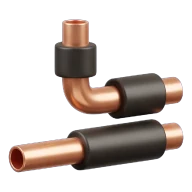
Insulated copper refrigerant pipework and a properly falling condensate drain, run neatly between the indoor and outdoor units and tested before we finish.

Step 4 of 6 Air conditioning

The pipework is what joins the two halves of the system

Air conditioning pipework carries refrigerant between the indoor unit and the outdoor condenser, and a separate drain takes away the water the indoor unit removes from the air. Poor pipework causes leaks, lost performance and drips down the wall, so this is where we take the most care.

We run insulated copper pipes and a condensate drain by the shortest neat route, protect them with trunking or boxing where they are visible, and pressure test the joints with nitrogen before the system is charged. The electrical connection is the next stage.

Plumbery engineer with installation paperwork beside air conditioning pipework connections

What we do at this stage

Every joint and every metre of pipe is planned, fitted and tested.

Copper refrigerant pipes

Two copper lines sized to the unit, bent cleanly without kinks or flattened sections.

Flared, torqued joints

Flared connections made and tightened to the manufacturer's torque figures.

Insulation

Closed-cell insulation on every pipe, taped and sealed so it does not sweat or fray.

Condensate drain

A drain with a continuous fall to a suitable outlet, or a condensate pump where there is no fall.

Trunking and boxing

UV-resistant trunking outside and boxing or ducting inside to hide the run.

Nitrogen pressure test

The joints are pressure tested with nitrogen to prove the pipework is leak tight.

How the visit runs

We plan the run

The pipe route and drain fall are marked out so the run is as short and straight as possible.

We install and insulate

Pipes, cable and drain are joined, insulated and fixed neatly to the wall.

We test and seal

The pipework is pressure tested with nitrogen and the wall entry is sealed.

Why pipe length and drain fall matter

Every metre of refrigerant pipe adds resistance, and manufacturers set a maximum length and height difference between the two units. Staying within them, and using as little pipe as the layout allows, protects performance and keeps the extra refrigerant needed for longer runs to a minimum.

The condensate drain works by gravity. It needs a continuous downward fall with no dips, or water can collect and back up into the indoor unit. Where the drain cannot fall to a gulley, soakaway or approved waste connection, a small condensate pump lifts the water away, which we fit and test. Outside, drains need protecting from freezing in winter and should not discharge across a path where they could cause ice.

Paperwork matters too. Once the pipework is done we record the pressure test, and later the commissioning results, so you have a proper record of how the system was installed. See the final stage, commissioning and handover.

Frequently asked questions

How long can air conditioning pipework be?

Each unit has a maximum pipe length and height difference set by the manufacturer. We check these at the survey and choose the outdoor unit position to stay comfortably within them.

Where does the condensate drain go?

To an outside gulley or soakaway, an approved waste connection, or a condensate pump where there is no natural fall. We agree the outlet with you before the work starts.

Can the pipes be hidden inside the wall?

Often yes, in a boxed run or a suitable void, but it depends on the building. Joints should never be buried where they cannot be reached, so we avoid that without good reason.

Why is a nitrogen pressure test needed?

It proves the joints are leak tight before refrigerant goes in. Finding a leak at this stage is far easier, and better for the environment, than after the system has been charged.

Book your air conditioning installation

Know the price before we start

Every service on this site has a published rate by time band. Check what your job costs, then book the slot that suits you. You can also return to the air conditioning overview or browse all our services.

Published rates

Air conditioning hourly rates in London

You pay a first-hour rate, then a lower rate for each extra half hour. The rate depends on the day and time of the visit.

Air conditioningMon–Fri 8am–6pmMon–Fri 6pm–10pmSaturday 8am–6pmSunday 8am–6pm
First hour£85£88£88£98
Each extra half hour£42£45£50£52
Daily rate£495———

Rates apply to jobs inside the M25. Minimum charges apply. Materials are charged in addition to labour, and shopping time for materials is charged at £35 per hour. See the full rate card.

Why Plumbery

Qualified, insured and upfront about price

Every engineer we send is registered or qualified for the trade they work in, and you can check the details before anyone starts.

  • Gas Safe registeredGas and heating work is done by Gas Safe registered engineers.
  • NICEIC qualifiedElectrical work is done by NICEIC-qualified electricians.
  • F-Gas certifiedAir conditioning work is done by F-Gas certified engineers.
  • Fully insuredEvery job is covered by our insurance.
  • Rates published in advanceOur hourly rates are on the pricing page. Nothing starts until you agree the rate.
  • Paperwork includedGas safety certificates and electrical records are provided on completion.
  • Registered companyPlumbery Ltd, company no. 11677583, registered in England and Wales.